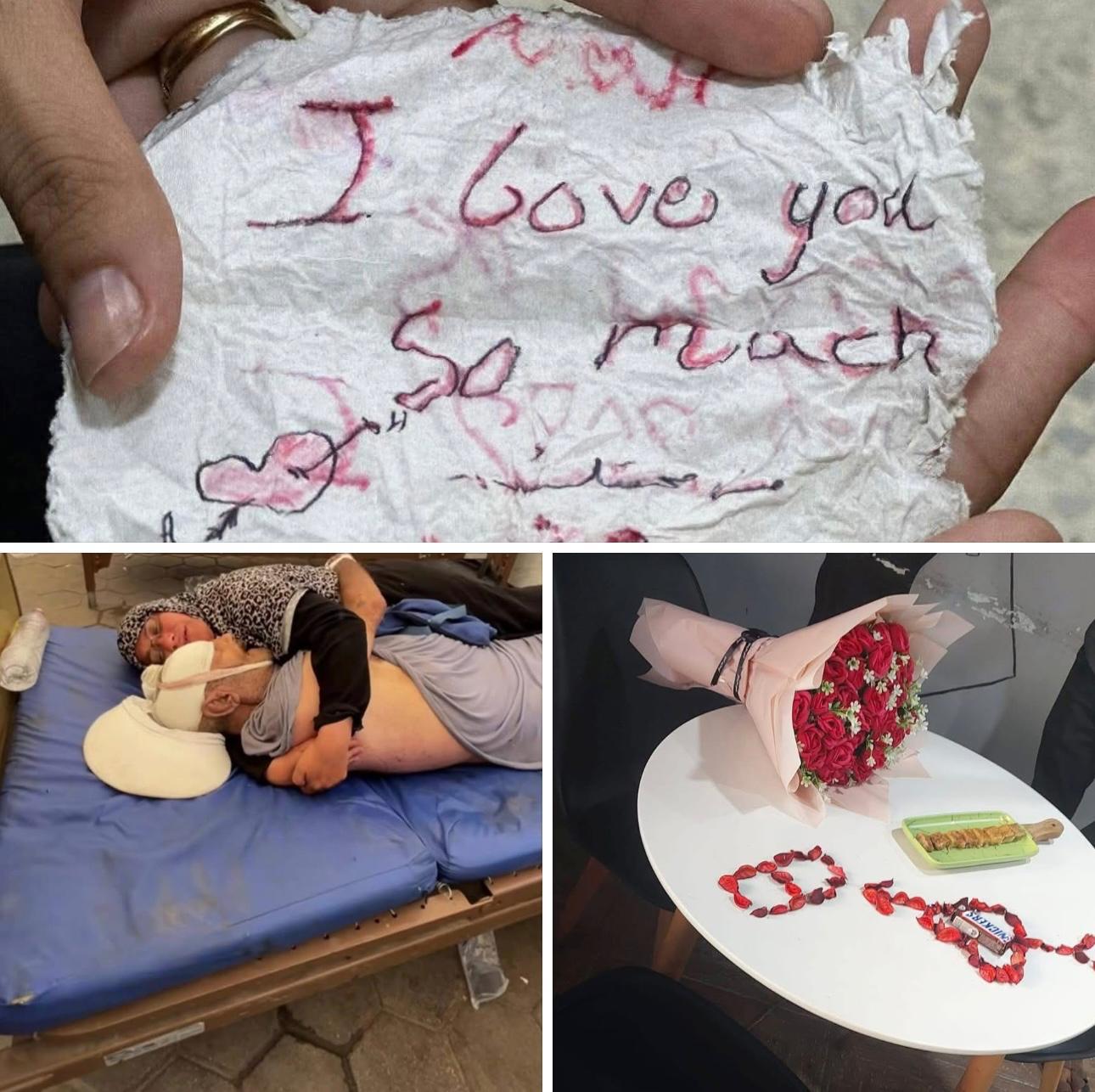


The question circulates among friends: Can love during war serve as a means of survival?
War is wild, ferocious, and while it is going on, humans possess a kind of cognition that they can only be aware of when death is close. It is when a person loses his/ her beloved one that he/ she tries to speak out, while the ones around want to understand. However, at that moment everyone is also paralyzed!
Dostoevsky asks: How much of a human is there in the human? How could it be possible that humans protect their own humanity?
It is one of human nature that evil seems more tempting than good. It is more alluring, especially during war. War becomes the only world we know.
The right question to be asked is, had those who managed to preserve their humanity ever truly existed?
In her book “War Does Not Have a Woman’s Face”, the Belarusian author, Svetlana Alexievich writes:
“No one ever taught us what freedom is, but how to die for it”.
Love seems to be the space of freedom that allows the redefining of its meaning, or, perhaps, it is its meaning. There is not a specified fixed definition for love, nor for freedom. Both are behaviors at the margin of action at the edge of death.
Another quote from the same book fits well here,
“God did not create man so that man shoots, but rather that man loves.”
A month ago, at a café, a waiter was preparing the table next to mine for a simple celebration meant to be for someone’s 8th wedding anniversary. The waiter scattered rose petals, placed sweets on a plate, and added a piece of chocolate. That costs more than one kilo of flour these days.
We asked, how can this happen during war?!
It is love.
Yesterday, a friend sent me a message,
“How does love happen?”
I replied:
It happens in the morning when the light reveals the night’s desire to end. Love happens at the edge of death, when the human soul is consumed. It is there when you forget your entire past life and love, too.
Who could talk about that?!
Love is a very personal experience at the end.
Photos:
- The last letter found in the pocket of someone killed in Al-Awda Hospital.
- The final embrace, a woman holding to her husband’s body for over an hour.
- A couple’s celebration table.
The three were personal events at the edge of death, in Gaza.
Fedaa Zeyad
03/08/2025
